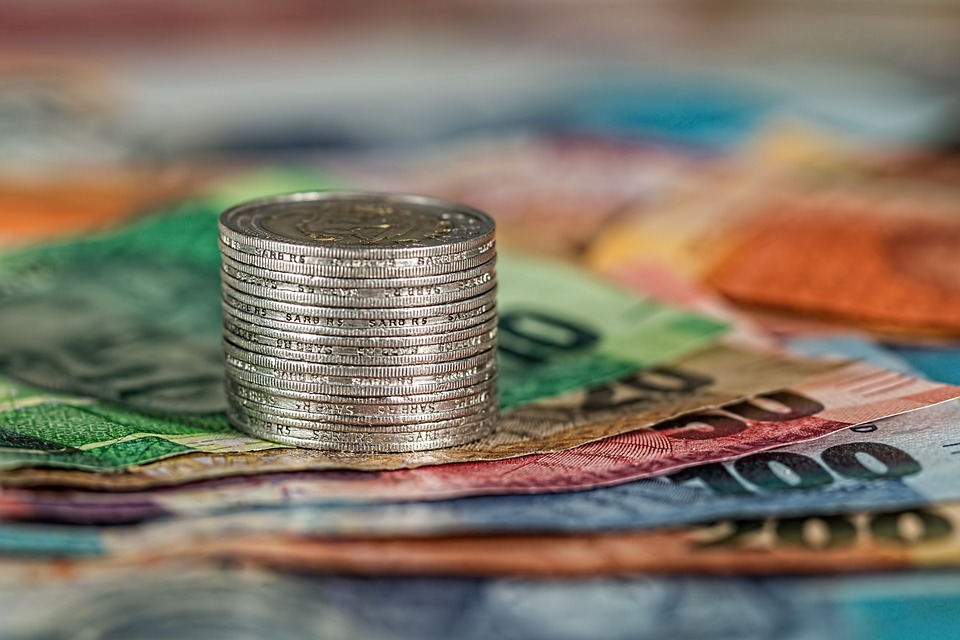
Tips for saving money while working as a freelancer

• If you are leaving a regular or salaried job, make sure you have 6 months to a year of living expenses, including at least $1,000 for an emergency fund.
• Modify the monthly and annual budgets. If you currently don’t have any income coming from your freelance or freelance business, you should definitely cut costs somewhere. If you have a partner or spouse, review your budget together and formulate personal and combined financial plans. If you live alone and can’t afford to live alone where you currently live, find a roommate or find a cheaper place to live and then create a new financial plan.
• If you receive some type of self-employment income (inheritance, pension, disability payments, part-time work, etc.), prioritize mortgage/rent payments, utility bills, insurance, and food bills. Anything left over should be put into your savings account so you don’t spend the rest.
• If possible, pay a year (or two) rent or mortgage in advance. If finances get tight, you’ll at least have a roof over your head. Also look for cheaper and smaller houses, townhouses or apartments, if necessary.
• If you rent, look into rental insurance. If you lose anything due to fire, theft, or flood, your items can be replaced.
• If you haven’t done so yet, cut out any unnecessary expenses such as cable/satellite TV, landline phone service, extra cell phones of any kind, and magazine subscriptions. However, if you need any of these services, take stock of what you need rather than what you want and shop around for cheaper brands or economy packages.
• Do not turn on electricity/gas/oil and water/sewerage unnecessarily. You want to show due diligence in how you use your household facilities.
• Sell your vehicle(s) if you can. Use public transportation, walk or bike to your destination.
• If you must have a credit card, please have only one card with a low credit limit (less than $2,000, preferably less than $1,000). Use a credit card only for large expenses such as booking hotel/motel rooms. Always pay your balances in full and on time each month.
• Use cash (preferred) or debit cards to buy groceries, entertainment, and clothes. You’ll know that your items will be paid for in full without any interest (or other bills). Plus, buying items in bulk like toilet paper, paper towels, and non-perishable food items will save you money and commuting time. When buying perishable food items, buy only what you need at the moment or freeze them for future use.
• Don’t buy impulsively. Shop with a list and budget for that day’s shopping trip. Avoid buying items such as lottery tickets, sweepstakes, vending machine items, fundraiser kit items, and fast food from gas stations or convenience stores (all of these items cost much more than what you can make from home or from regular grocery stores. Plus, games of chance are simply gambling and because you’re usually strapped for cash to start your own business, you don’t want to waste your money, anyway).
• If you are married or live with a domestic partner, use a joint checking account to pay your utility bills and other household expenses. If you are single and live alone, use a separate checking account to pay your bills and household expenses. Ideally, you want to keep these transactions separate so you know your bills will be paid in full and on time.
• If you are married or live with a domestic partner, use separate personal checking and savings accounts for purchases. If you wish to accumulate money, in any form, whether for business expenses or bequest money upon the death of a partner/spouse, please obtain all relevant information in exact detail in writing and with legal counsel for documentation. You want to be sure in the event of a divorce/separation that you receive what is yours.
• Avoid lending money to anyone, unless you know positively that the person(s) you are lending to will pay you back. You must be clear with people when you lend them money that the loan is not a gift.
• Collect any change you receive from shopping or find lost on the streets, at bus stops, under the sofa, etc… Put coins into rolls and cash them out or deposit them into your savings account.
• Collect small notes like $1.00 or $5.00 and collect them until you really need them or deposit them into your savings.
• If you have a significant amount of savings (>$10,000) and are, in particular, between the ages of 20-55, you may want to invest this money in mutual funds to grow a form of passive income to build your own retirement.
• Hold a garage or yard sale to have people buy things you don’t need anymore. You will be giving people things they might need/want and earn extra money.
• Sell any memorabilia or collectors’ items in person or online.
• Borrowing library materials instead of buying new materials from libraries. In addition, look for blogs online to get the information you need.
• Make sure to maintain your health and attend annual medical examinations as much as possible. Affordable health insurance options are available for the self-employed.
• Limit going out to eat and/or drink to only 1-2 times a week or once every 2 weeks. Preparing, cooking, and baking your meals and snacks costs only a fraction of the services you pay people to provide you with the meals.
• Challenge yourself. See how many days or weeks you can go without spending any money on anything but the absolute necessities. Better yet, see if you can ditch the Internet or shop online.